Blog · July 29, 2026
Buying a Second Home in Piedmont: Where to Start
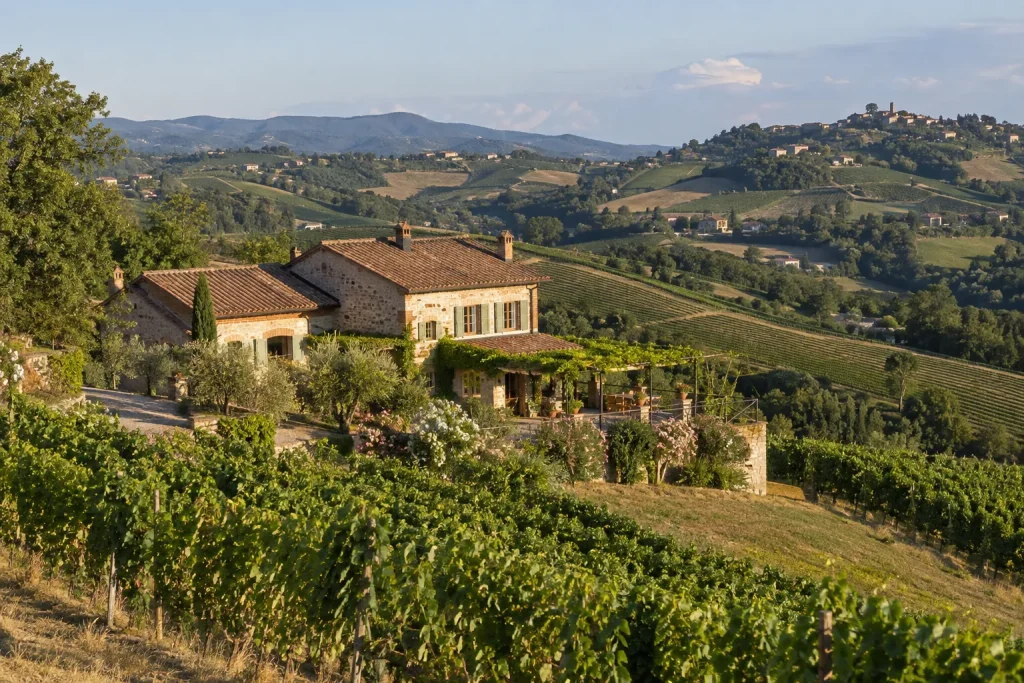
Buying a second home in Piedmont starts with three things: decide your budget, define the area you actually want to live in, and verify the property’s real condition before you commit. If you are buying from abroad, the smartest first step is to understand the local process, the hidden costs, and the difference between what a listing says and what is really there.
| Starting point | What to do | Why it matters |
|---|---|---|
| Budget | Set a full budget, not just the asking price | Taxes, notary fees, agency fees, and repairs can change the real total |
| Area | Choose between town, hillside, village, or countryside | Daily life, access, and maintenance vary a lot across Piedmont |
| Property condition | Check structure, systems, access, and paperwork | Photos often hide damp, outdated systems, or difficult access |
| Buying route | Decide whether you will visit in person or use remote support | Distance affects clarity, timing, and how much you can verify before travel |
- Set your total budget, including taxes and repairs.
- Choose the part of Piedmont that fits your lifestyle.
- Review the listing carefully and compare it with the documents.
- Check access, utilities, and renovation risk before making any move.
- Decide whether to travel, use a remote viewing, or combine both.
Buying a second home in Piedmont: the first decisions
The first decision is not the house itself, but the kind of life you want to have there. In Piedmont, a village apartment near Gavi, a stone house in the hills of Monferrato, and a detached home outside Alessandria can each feel completely different in winter, summer, and during the week.
Think about how often you will use the property, whether you want easy train or motorway access, and how much maintenance you are willing to manage from abroad. A second home Italy purchase is often about rhythm as much as location, especially if you plan short stays, family visits, or remote work.
If you are still at the very beginning, it helps to read our practical pages first, especially How It Works and Where to Find Your Property, so you understand the sequence before you start making decisions.
Where Piedmont feels different on the ground
Piedmont is not one market. The wine hills, the small towns around Gavi, the Monferrato countryside, and the more urban edges of Alessandria all have different prices, access patterns, and renovation realities.
A house that looks charming online may sit on a steep lane with limited parking, while a flat in town may be easier to maintain but less private. If you are a Piedmont property buyer, you should think in terms of daily practicality: shops, heating, road access, noise, and whether the area feels alive in winter.
Questions to ask about the area
- How long does it take to reach the nearest supermarket, pharmacy, and station?
- Is the road easy in rain, snow, or at night?
- Are you comfortable with hillside access and limited parking?
- Does the area feel occupied year-round or only in holiday season?
These details matter more than many first-time buyers expect. In Piedmont, the setting can be beautiful, but beauty alone does not tell you how easy the home will be to use.
What the listing may not show you
Online portals such as Idealista, Immobiliare, and Casa.it are useful starting points, but they are not enough on their own. Photos often soften the reality of damp walls, low ceilings, tired roofs, old windows, or awkward access.
That is why many buyers compare the listing with a proper on-the-ground check. If you want a useful companion read, see 7 Things Property Photos Never Show You: What to Check Before You Buy and Is It Safe to Buy Italian Property Online? What You Need to Check Before You Commit.
When you review a property, focus on the things that are expensive to change later: roof condition, heating system, electrical state, water pressure, drainage, and whether the property has legal and cadastral consistency. A beautiful kitchen does not help if the structure or paperwork is weak.
Costs beyond the asking price
One of the biggest mistakes in buying a second home in Piedmont is treating the asking price as the full cost. In reality, you may also need to budget for notary fees, purchase taxes, agency fees if applicable, survey or technical checks, bank costs, and immediate repairs.
For foreign buyers, transfer timing also matters. A SEPA transfer can be practical for moving funds, but you still need to plan well in advance so the money is available when the notary requires it.
| Cost item | Typical role | Why to plan early |
|---|---|---|
| Purchase taxes | Paid at completion | They can be a significant part of the total |
| Notary fees | Formal completion and deed | They depend on the transaction and paperwork |
| Technical checks | Condition and compliance review | They help you understand risk before commitment |
| Repairs and upgrades | Immediate or future works | Older homes in the hills often need more than cosmetic work |
If you want a clearer picture of the remote process and the time involved, our related post How Much Is the cost to view a house in Italy? is a useful place to start.
How to verify a property before you commit
Verification is where careful buyers gain confidence. You want to compare the listing, the documents, and the physical reality, not rely on any one of them alone.
At minimum, check the layout, the cadastral details, the access route, the condition of the roof and systems, and whether the home has obvious signs of damp, cracks, or unfinished work. If the property is rural or older, ask how heating works in winter and whether the house has easy year-round access.
A practical verification sequence
- Read the listing and note what is missing.
- Ask for the key documents and floor plan.
- Compare rooms, dimensions, and access with the paperwork.
- Check the surroundings, parking, and road approach.
- Confirm whether any works, restrictions, or irregularities are visible.
If you cannot travel immediately, a remote viewing can give you far more clarity than photos alone. That is why many buyers also read What a Remote Property Viewing Includes: A Clear Guide for Buyers and How to View a Property in Italy From Abroad: A Practical Guide.
When to travel, and when to stay home
Some buyers feel they must fly out for every property. Others want to do everything remotely. The right answer is usually somewhere in between, depending on the property, your confidence level, and how much risk you are willing to accept.
If you are early in the process, a remote first pass can save time and reduce unnecessary travel. If the property already looks promising, an in-person visit can confirm the atmosphere, the neighborhood, and the practical details that are hard to judge from a screen.
This is also where an independent local eye can help you stay grounded. We document and observe; we do not search, shortlist, negotiate, or represent you. If you want to understand the format and scope, see Scout Packages & Pricing.
What a sensible first plan looks like
A good first plan is simple: define your budget, narrow the area, inspect the listing critically, and verify the property before you make any commitment. That approach keeps you from falling in love with a photo and then discovering the real-life limitations too late.
For many foreign buyers, the best path is to start with education, then move to a structured viewing process. If you are still orienting yourself, our pages Who We Are and How It Works explain how an independent scout can support your own decision-making without taking over the process.
In Piedmont, the best outcomes usually come from calm pacing. The market rewards buyers who understand the terrain, ask practical questions, and check the details that locals already know to look for.
FAQ: buying a second home in Piedmont
What is the best first step when buying a second home in Piedmont?
The best first step is to set a realistic total budget and choose the area that fits your lifestyle. Once you know your target zone and your full cost range, you can judge listings more clearly and avoid wasting time on properties that do not fit your needs.
Can you buy a second home in Piedmont from abroad?
Yes, you can buy from abroad, but you should verify the property carefully before you commit. Remote viewing, document checks, and clear communication with the notary and technical professionals help reduce risk when you cannot be on site for every step.
What hidden costs should you expect?
Besides the asking price, you should plan for taxes, notary fees, possible agency fees, technical checks, and repairs. Older homes in Piedmont may also need upgrades to heating, electrical systems, roofs, or windows, so leave room in your budget.
Why is Piedmont different from other parts of Italy?
Piedmont combines wine hills, rural villages, and practical towns with very different access and maintenance realities. A home that looks ideal online may be harder to reach, colder in winter, or more expensive to maintain than a buyer expects.