Blog · July 15, 2026
What a Remote Property Viewing Includes: A Clear Guide for Buyers
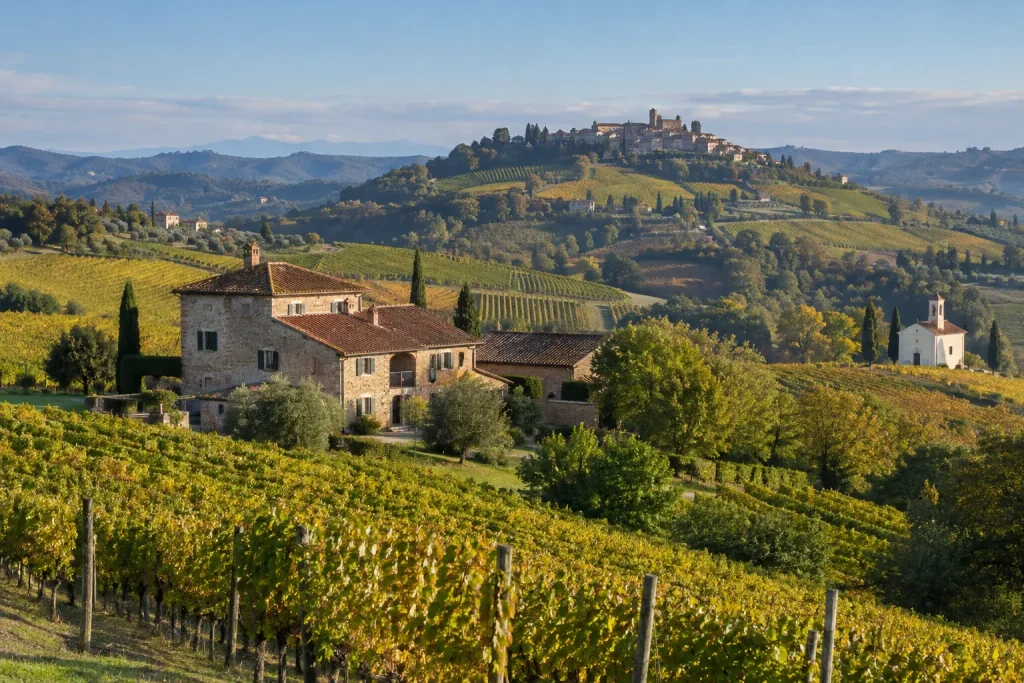
What a remote property viewing includes is a structured on-the-ground check of the property, its setting, and the details that photos and listings usually miss. In practice, it usually combines a property video walkthrough Italy, a live video call property session, notes on condition and surroundings, and a plain-English report so you can judge the home from abroad with far more clarity.
What a Remote Property Viewing Includes in Practice
A proper remote viewing is not just someone filming a few rooms and sending the clip. It is a guided visit designed to show you how the property actually feels, what is visible, and what deserves a closer check before you travel or take the next step.
At Piedmont Scout, we act as your eyes on the ground in Gavi, Alessandria, Monferrato, and nearby wine-hill areas. We document what we see, ask practical questions, and help you understand whether the listing matches reality, without searching, selecting, or negotiating on your behalf.
| Part of the remote viewing | What you receive | Why it matters |
|---|---|---|
| Exterior and access | Street approach, parking, driveway, entrance, and immediate surroundings | Shows daily convenience and first impressions |
| Interior walkthrough | Room-by-room video and live commentary | Helps you judge layout, light, finishes, and condition |
| Context check | Noise, views, neighbours, slope, exposure, and nearby activity | Reveals what photos cannot capture |
| Practical observations | Visible damp, cracks, maintenance issues, heating clues, and renovation signs | Flags points to verify with a geometra or technician |
| Follow-up summary | Clear written notes and key takeaways | Lets you compare properties calmly and consistently |
What Happens Before the Visit
The process usually starts when you send the listing link from Idealista, Immobiliare, or Casa.it, along with any questions you already have. That lets us prepare a focused viewing rather than a generic tour.
Before going on site, it helps to know what matters most to you: renovation level, outdoor space, parking, winter access, village noise, or distance to services. A remote viewing is most useful when it is shaped around your priorities, not just around the estate agent’s sales script.
- You send the property link and tell us what you want checked.
- We review the listing details and note any points that need verification.
- We arrange the on-site visit and, where useful, a live video call property session.
- We walk through the property and surroundings, documenting what is visible.
- We send you a summary with observations and practical next steps.
The Walkthrough: Rooms, Light, and Layout
The walkthrough is the core of the visit. A good property video walkthrough Italy should show each room in sequence, with enough time to understand proportions, circulation, ceiling height, and how the spaces connect.
It should also show the less glamorous parts: staircases, storage, utility areas, boiler corners, cellar spaces, attic access, and any signs of patch repairs. These are often the places where real condition becomes visible, especially in older houses in Piedmont villages and hillside hamlets.
What we look for indoors
- Natural light and the direction of windows.
- Room proportions and whether furniture would fit comfortably.
- Visible wear, such as stains, cracks, lifted plaster, or uneven floors.
- Heating clues, radiators, stoves, insulation hints, and boiler placement.
- Water-related signs, especially in kitchens, bathrooms, basements, and corners.
We do not appraise the property or value it. We simply help you understand what is visible and what should raise questions for the professionals you hire later, such as a geometra or the notaio’s checks on the legal side.
The Surroundings Matter as Much as the House
In Italy, the setting can matter as much as the building itself. A charming house may sit on a steep access road, face a noisy bar, lose winter sunlight early, or be farther from services than the listing suggests.
For buyers looking in Gavi, Monferrato, or the hills around Alessandria, we often pay close attention to access in all seasons, parking, exposure, and the practical distance to shops, train stations, and main roads. These details can strongly affect how you will use the property as a second home or future residence.
We also note what the listing may not say plainly: road surfaces, neighbouring buildings, visible renovation activity, agricultural smells, local traffic, or whether the view is truly open or partly blocked. That context is often the difference between a romantic idea and a realistic purchase.
Live or Recorded: Which Format Helps You More?
Some buyers prefer a live session so they can ask questions in real time. Others want a recorded visit first, then a written summary they can review slowly. Both formats can be useful, and the best choice depends on how quickly you need clarity and how involved you want to be during the viewing.
A live video call property session is especially helpful when you want to direct attention to a specific detail, such as a crack, a view, or a road outside the window. A recorded property video walkthrough Italy is useful when you want to revisit the material later or share it with family, a geometra, or a trusted adviser.
| Format | Best for | Main advantage | Main limitation |
|---|---|---|---|
| Live video call | Interactive questions and quick clarification | You can direct the camera in real time | Depends on signal and timing |
| Recorded walkthrough | Careful review and sharing | You can rewatch details later | No immediate interaction |
| Combined approach | Serious buyers needing full clarity | Both immediacy and reviewability | Takes more time to prepare |
What You Should Expect in the Final Summary
A useful remote viewing does not end when the camera turns off. You should receive a clear summary of what was seen, what looked good, what looked uncertain, and what should be checked professionally before any commitment.
At Piedmont Scout, our role is orientation-focused. We document, observe, and explain in plain English so you can make a more informed decision from abroad. If something looks promising, we say so carefully; if something looks questionable, we explain why without drama.
Depending on the property, the summary may mention visible condition, access, setting, renovation clues, likely maintenance priorities, and any inconsistencies between the listing and what was seen on site. That is often enough to help you decide whether to travel, ask more questions, or move on.
What a Remote Viewing Does Not Include
It is just as important to know the limits. A remote viewing is not a legal, technical, or financial due diligence service, and it does not replace the work of a geometra, lawyer, bank, or notaio.
We do not search for properties, shortlist options, negotiate, mediate, or represent you. We also do not appraise value or make purchase decisions for you. Those boundaries matter, both legally and practically, because a remote visit is meant to inform you, not to act as the buyer’s agent.
If you are still early in the process, our pages How It Works and Scout Packages & Pricing can help you understand how the service is structured. For broader orientation, Where to Find Your Property is a useful starting point.
How to Prepare So the Viewing Is Truly Useful
The best remote viewings happen when you give clear instructions. The more specific your questions are, the more useful the visit becomes, especially if you are comparing several houses across different Italian portal listings.
- Send the listing link and tell us what worries you most.
- List the details you want checked, such as damp, access, noise, or renovation quality.
- Say whether you want live interaction, a recording, or both.
- Tell us who else needs to review the material, such as a partner or adviser.
- Use the summary to decide whether the property deserves a next step.
If you want a broader picture of the buying journey, our related posts Can You Buy a House in Italy Without Visiting It? and How to View a Property in Italy From Abroad: A Practical Guide are useful companions to this guide.
FAQ: Remote Property Viewings in Italy
Is a remote property viewing enough to decide whether a house is worth a trip?
A remote property viewing can tell you a great deal about condition, layout, access, and surroundings, and it often helps you avoid unnecessary travel. It is usually enough to decide whether a property deserves a closer in-person visit, but it does not replace legal or technical checks.
Can you see problems that photos do not show?
Yes. A good remote viewing can reveal damp marks, cracks, awkward access, poor light, noise, slope, parking issues, and the true character of the immediate area. These are exactly the kinds of details that listing photos often hide or soften.
What is the difference between a live video call and a recorded walkthrough?
A live video call lets you ask questions in real time and direct attention to specific details as the visit happens. A recorded walkthrough gives you a permanent video record that you can review later, share with family, or compare against other properties.
Does a remote viewing replace a geometra or a notaio?
No. A remote viewing is an observational service, not a technical survey or legal review. A geometra checks technical and planning issues, while the notaio handles the legal transfer process; the remote viewing simply helps you understand the property before you reach those stages.
If you are comparing whether to travel, to send a scout, or to wait, our post Flying to Italy to See a House vs Sending a Scout: Which Costs Less and Gives You Better Clarity? may help you weigh the practical side with a clearer head.