Blog · August 5, 2026
Relocating to Italy: Why Relocating to Italy Area Research Should Come Before You Commit
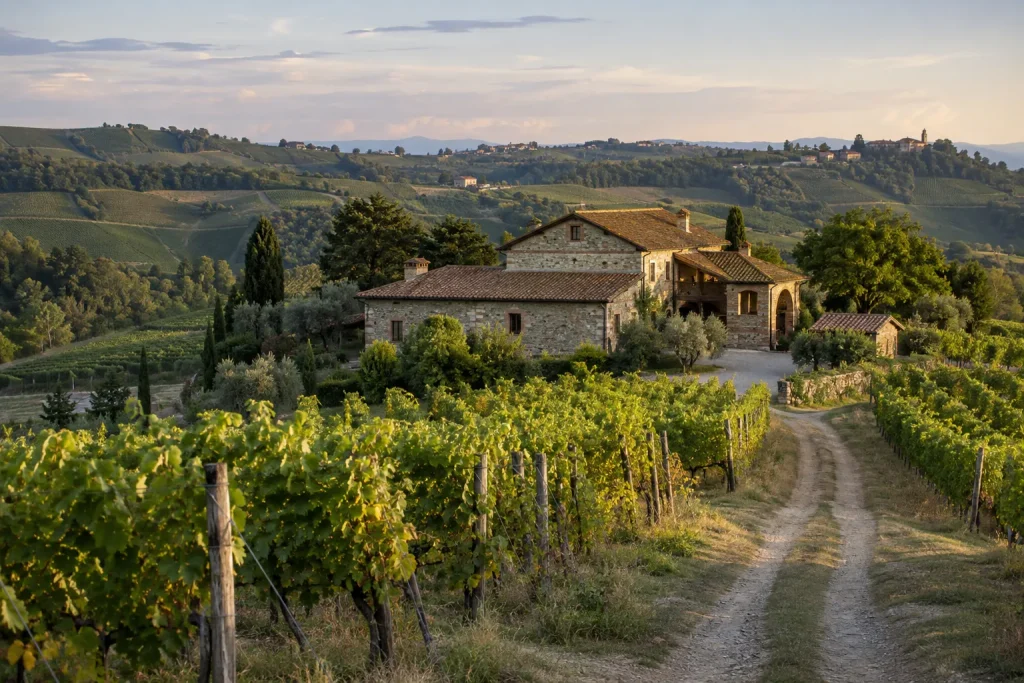
Relocating to Italy area research should come before you commit to a town, because the same beautiful property can feel completely different once you see the roads, services, noise, winter light, and daily rhythm around it. If you are moving to Piedmont or anywhere else in Italy, the area is often the real decision, not just the house.
| What to check | Why it matters | What photos usually hide |
|---|---|---|
| Access and parking | Daily life becomes easy or frustrating very quickly | Narrow lanes, steep drives, shared parking, difficult winter access |
| Noise and activity | Peace, sleep, and privacy affect long-term comfort | Road traffic, church bells, bars, schools, farm machinery, weekend visitors |
| Services nearby | Shops, doctors, trains, and rubbish collection shape routine | How far you really are from essentials, especially without a car |
| Seasonal reality | Italian places change a lot between summer and winter | Empty villages, closed restaurants, humidity, fog, and low winter sun |
| Neighbourhood feel | Community fit matters as much as the building | Whether the area feels lived-in, isolated, busy, or tourist-heavy |
- Start with the area, not the listing. Ask what your everyday life will look like there.
- Check the map in real time. Look at roads, slopes, services, and travel times, not just the straight-line distance.
- Visit at the right hour. Morning, evening, and weekend visits can reveal very different realities.
- Compare seasons if you can. A summer village in Piedmont may feel quiet or even isolated in January.
- Bring local eyes with you. A grounded area visit can expose practical issues before you spend money on surveys, legal work, or travel.
Why relocating to Italy area research matters more than the listing
When people are relocating to Italy, they often fall in love with a house online and then try to make the area fit the dream. That is backwards in many cases, because the surrounding environment determines your comfort, your routine, and even how often you use the property. In Piedmont, a hilltop hamlet, a market town, and a commuter village can all look charming in photos but feel very different on the ground.
The same applies whether you are planning a permanent move, a second home, or a long-term base for part of the year. A property may have the right number of rooms and a lovely terrace, but if the road floods, the parking is awkward, or the nearest shop is twenty minutes away, the daily experience changes fast. Good area research helps you understand the real trade-offs before you commit.
This is also where foreign buyers often need relocate to Italy help that is practical rather than promotional. You do not need a glossy promise; you need honest observations about what life is actually like in that place.
What you should check before you commit
Area research is not just about whether a village is pretty. It is about how you will live there in January, in August, on a rainy Tuesday, and when you need a doctor or a supermarket quickly. In Piedmont, hills, valleys, and older centres can create small but important differences in access and convenience.
Look at the route from the nearest town, the width of the roads, whether there is street parking, and whether the property is easy to reach at night. Check how far you are from the train line, the motorway, a pharmacy, and essential services. If you are moving to Piedmont from abroad, these details matter more than many first-time buyers expect.
Practical points to verify on site
- Access in all weather, especially if the road is steep or narrow.
- Parking for you, guests, tradespeople, and deliveries.
- Noise from traffic, church bells, bars, dogs, or agricultural work.
- Light and exposure at different times of day.
- Nearby services such as shops, schools, doctors, and public transport.
These checks sound simple, but they are exactly the things photos and polished descriptions tend to soften. A calm-looking lane may be busy at school time. A quiet terrace may face a noisy courtyard. A “short drive to town” may mean a winding road that feels longer in winter.
How Italy changes by season and by hour
One of the biggest mistakes in relocating to Italy area research is visiting only once, in the nicest season and the best weather. Italy is not one fixed experience; it changes with the month, the time of day, and even the day of the week. Piedmont is a good example, because summer evenings, autumn harvest periods, and winter fog can each reveal a different side of the same place.
A village that feels lively in August may be very quiet in November. A hillside home that seems romantic in spring may feel exposed in January wind. Even the light matters: some homes sit in shade for much of the day, while others get strong afternoon sun that can be welcome in winter and tiring in summer.
If you can, visit more than once or at least study the area with seasonal reality in mind. Ask what closes in winter, how long the commute takes in bad weather, and whether the area remains comfortable when tourism slows down. That is the difference between admiring a place and truly understanding it.
Why Piedmont deserves careful local checking
Piedmont is beautiful, but it is not one uniform market. The wine hills, the flatlands near Alessandria, the Monferrato countryside, and the Gavi area each have their own pace, access patterns, and practical quirks. Some places feel well connected but busier; others feel wonderfully quiet but less convenient for everyday life.
For buyers moving to Piedmont, local knowledge helps separate romantic appeal from real suitability. A property near vineyards may have stunning views and excellent privacy, but it may also be farther from services than you expected. A town centre apartment may be easier for daily life, but it could come with noise, limited parking, or older building issues.
That is why area research is not just for people buying a holiday home. It is essential if you want your life in Italy to work smoothly, especially if you are still building your network and learning how local services function.
How an on-the-ground area visit reduces risk
An on-the-ground area visit gives you context that portals cannot provide. You can see whether the road feels safe, whether the neighbourhood is lived in, whether the property is isolated in a way that suits you, and whether the surroundings match the listing description. You also get a better sense of what might need attention later, from drainage to access to nearby activity.
This is especially useful before you spend money on a survey, legal work, or repeated travel. A short, well-structured visit can save you from committing to the wrong area or from underestimating the practical side of Italian property ownership. For many foreign buyers, that clarity is worth more than another round of online browsing.
If you want a simple process, see our pages How It Works, Scout Packages & Pricing, and Where to Find Your Property. They explain how we document what we see, so you can judge the area with your own priorities in mind.
What a local scout can observe that you may miss
When you are abroad, it is easy to focus on the property itself and overlook the setting. A local scout can observe the things that shape daily life: the road surface, the true walking distance to services, the level of activity in the street, the condition of nearby buildings, and whether the area feels seasonal or stable. These are small details, but together they create the lived reality of the place.
We do not search for properties, select them, or negotiate for you. The buyer finds the listing and sends it to us, and we document the area honestly. That makes the process more grounded and helps you compare the online impression with what is actually there.
If you are still deciding whether you need this kind of support, our related posts Can You Buy a House in Italy Without Visiting It? and How to View a Property in Italy From Abroad: A Practical Guide are good next reads.
FAQ: relocating to Italy area research
Do I really need area research if the property looks perfect online?
Yes, because the area can change the whole experience of living there. A perfect-looking house may sit in a noisy, inconvenient, or poorly connected location, and those issues are often invisible in photos.
Is area research still useful if I am buying a second home rather than relocating full-time?
Yes, because second-home use depends heavily on access, parking, services, and seasonal comfort. If you only visit a few times a year, the surrounding area needs to work efficiently every time you arrive.
What is the biggest mistake foreign buyers make in Piedmont?
The biggest mistake is treating the village or neighbourhood as a minor detail. In Piedmont, the area often determines whether the property feels practical, peaceful, and easy to use throughout the year.
Can local area research replace a legal check or survey?
No. Area research helps you understand the setting and daily reality, but it does not replace a survey, title review, or legal advice. It is one part of a careful buying process.
If you are relocating to Italy area research should be your first filter, not your last. Once you understand the place, the property itself becomes much easier to judge with clear eyes.