Blog · August 26, 2026
Why Independent Property Viewing Abroad Matters When Buying from Italy
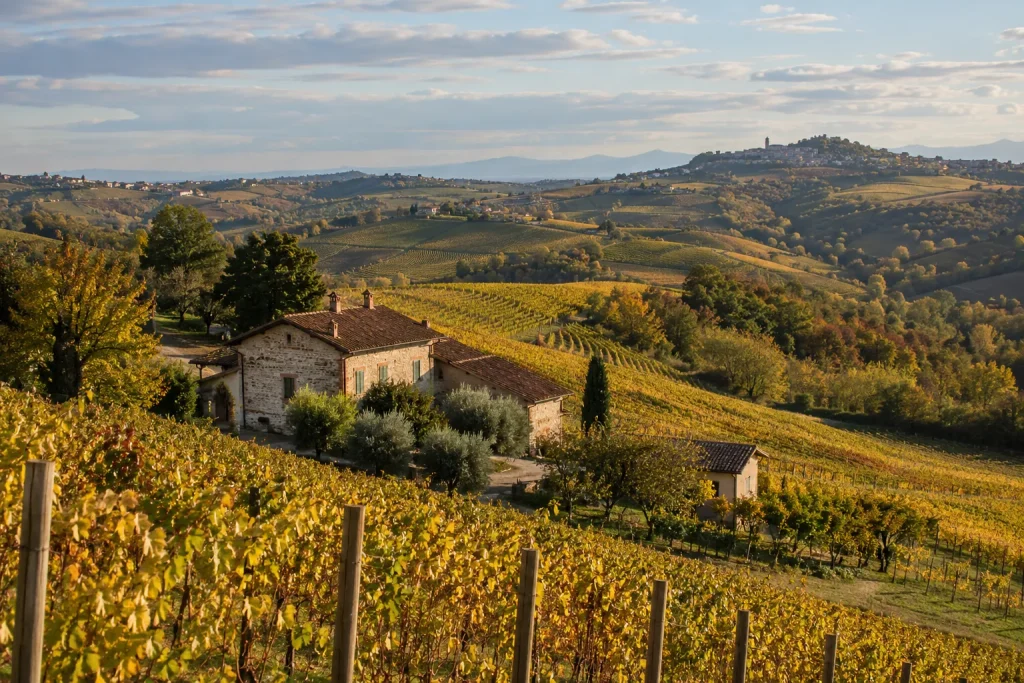
Independent property viewing abroad matters because it gives you a calm, factual picture of a home and its surroundings before you travel, commit, or pay for a contract. With a neutral property inspection and buyer eyes on the ground, you can see what photos hide, understand the area, and reduce the risk of costly surprises.
| Approach | What you get | Best for | Main limitation |
|---|---|---|---|
| Travel yourself | Direct impression, but limited time and a fixed route | Buyers who are already nearby | You may miss local context and practical issues |
| Estate agent viewing | Access to the property and seller-side information | First look at a listing | The agent is not neutral and may focus on the positives |
| Independent property viewing abroad | Objective observations, area notes, photo/video evidence, and practical context | Remote buyers who need clear, unbiased eyes | It does not replace legal or technical due diligence |
- Start with the listing and identify the questions that matter most to you.
- Ask for a neutral property inspection focused on condition, access, noise, light, layout, and the surrounding area.
- Review the evidence carefully: photos, video, notes, and location context.
- Use the findings to decide whether to continue, ask more questions, or move on.
Independent property viewing abroad: what it really solves
When you buy from another country, the biggest problem is rarely a lack of listings. The real issue is uncertainty: you cannot easily judge the street, the slope, the neighbours, the road access, or how the place feels at different times of day. That is where independent property viewing abroad becomes useful, because it turns a vague online impression into grounded information.
This is especially important in Italy, where a charming photo can hide steep access roads, seasonal damp, a noisy bar nearby, or a view that depends on standing in exactly one corner of the garden. A good buyer eyes on the ground service does not replace your judgment; it gives you more accurate facts so you can make your own decision with less stress.
Why photos and video calls are not enough
Property portals such as Idealista, Immobiliare, and Casa.it are useful starting points, but they are designed to attract attention, not to tell the full story. Wide-angle lenses make rooms look larger, bright daylight hides poor orientation, and carefully chosen angles can make a busy road disappear from view. Even a live video call can miss the details that matter most.
For example, you may not notice how steep the driveway is, whether the windows face a wall, whether the road is passable in winter, or whether the nearest shop is actually a long drive away. A neutral property inspection gives you the missing context: not just what the house looks like, but how it works in real life.
What a buyer eyes on the ground service should observe
A useful on-the-ground visit is practical, calm, and specific. It should document the property as it is, not as it is described in the ad. In Piedmont, that often means checking access roads, parking, drainage, sunlight, signs of humidity, nearby activity, and the feel of the hamlet, town, or countryside setting.
Typical points to observe
- Access: road width, slope, surface condition, and winter practicality.
- Setting: noise, privacy, nearby buildings, and general upkeep.
- Orientation: light, shade, and how the rooms feel through the day.
- Condition clues: damp marks, cracks, outdated systems, or neglected outdoor areas.
- Local rhythm: traffic, seasonal quiet, and whether the area suits full-time or second-home use.
This kind of observation is not a legal survey and it is not a valuation. It is a buyer eyes on the ground service that helps you understand whether the listing matches reality before you invest more time, money, or emotion.
How independent viewing fits into an Italian purchase
Buying in Italy usually involves several different professionals, and each one has a different role. The estate agent presents the property, the geometra helps with technical matters, and the notaio handles the deed. An independent viewer sits outside that chain and simply reports what is seen, without acting as a representative or taking part in negotiation.
That separation matters under L. 39/1989, because the buyer should know exactly who is doing what. If you want clarity before you move forward, independent viewing can sit neatly before the technical checks and legal steps. It helps you decide whether the property is still worth your time before you spend on deeper professional work.
| Role | Main function | What it does not do |
|---|---|---|
| Estate agent | Presents and promotes the property | Does not give a neutral on-the-ground report |
| Geometra | Checks technical and planning aspects | Does not replace a buyer-focused viewing |
| Notaio | Handles the legal transfer | Does not inspect the property for condition or lifestyle fit |
| Independent viewer | Documents and observes the property and area | Does not search, negotiate, or appraise |
When this approach is most useful
Independent property viewing abroad is especially useful when you are early in the process, when the property is in a rural area, or when you cannot travel easily for repeated visits. It is also helpful if you are comparing several homes and want an honest sense of which one feels practical, not just attractive on paper.
In Piedmont, this is often the case with country houses, village apartments, and second homes in the hills around Gavi, Monferrato, and the Alessandria area. A place can look perfect online and still be awkward in daily life because of parking, winter access, renovation scope, or distance from services. A calm on-site report helps you avoid buying with your imagination instead of your eyes.
What a good report should include
A strong report should be easy to read and based on concrete observation. It should tell you what was seen, what could not be confirmed, and which details deserve follow-up. It should not use sales language, and it should not pretend to replace technical due diligence.
For remote buyers, the most useful reports usually include photos, short video clips, written notes, and area context. If possible, they also explain the practical meaning of what was observed: for example, whether a road feels manageable year-round, whether the house seems suited to full-time living, or whether the location is better for occasional stays.
A simple checklist for buyers
- Does the listing match the real setting?
- Are there any access or parking issues?
- What is the noise level like?
- Is there visible damp, neglect, or structural concern?
- Does the area suit your intended use?
How to use the report without overcomplicating the process
The goal is not to create more confusion. The goal is to help you decide your next step with a clearer head. After the visit, compare the report with your original priorities: budget, lifestyle, renovation appetite, distance from an airport, and how often you expect to use the home.
If the report raises concerns, you can pause and ask more questions. If it confirms that the property still feels right, you can continue with the next stage more confidently. Either way, the value of independent property viewing abroad is that it gives you a factual base instead of relying on assumptions.
- Read the report once without reacting emotionally.
- Mark the practical points that affect daily use.
- Separate cosmetic issues from structural or access issues.
- Decide whether the property still fits your plan.
Where Piedmont Scout fits in your process
Piedmont Scout works as an independent area scout in northern Italy, focused on observation, documentation, and honest local context. If you already have a property link from Idealista, Immobiliare, or Casa.it, the next step is not to rush to a decision. The next step is to understand the place properly.
That is why the pages How It Works, Scout Packages & Pricing, Where to Find Your Property, and Who We Are exist: to explain the process clearly before you commit to anything. If you are comparing homes from abroad, this kind of calm, independent support can save time and help you avoid preventable mistakes.
FAQ: independent property viewing abroad
Is independent property viewing abroad the same as a home inspection?
No. An independent property viewing abroad is a neutral on-the-ground observation service, while a home inspection is usually a technical assessment carried out by a qualified professional. The first helps you understand the property and area; the second checks technical condition and possible defects.
Can this replace a visit by the buyer?
It can reduce the need for an early trip, but it does not replace your own decision-making. It gives you factual information, photos, video, and local context so you can decide whether a personal visit is still worthwhile.
Why is a neutral property inspection useful in rural Piedmont?
Rural Piedmont often involves hills, narrow roads, seasonal quiet, and properties where access and surroundings matter as much as the building itself. A neutral property inspection helps you understand those practical realities before you commit time or money.
Does buyer eyes on the ground mean you are represented in the purchase?
No. Buyer eyes on the ground means the property and area are observed and documented for you, but you remain fully responsible for your own decisions. The service does not search, negotiate, mediate, or represent you in the transaction.