Blog · August 19, 2026
Long-Distance House Hunting in Italy: A Calm Guide
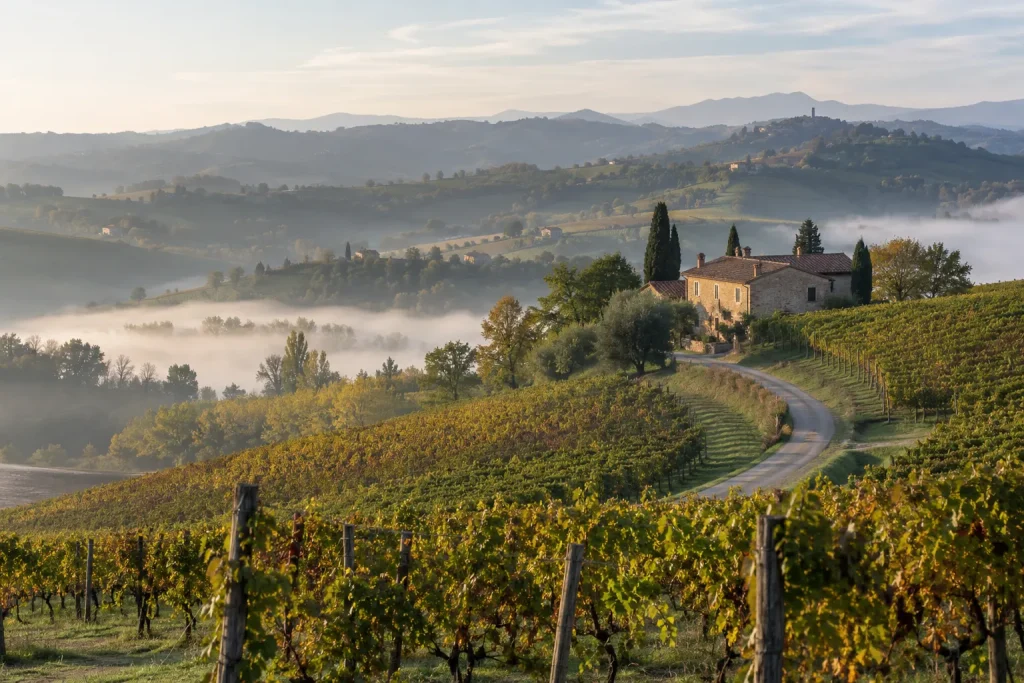
Long-distance house hunting in Italy works best when you slow the process down, verify the facts on the ground, and treat every online listing as a starting point rather than a decision. If you are a foreign buyer Italy or planning to buy house Italy from abroad, the safest path is to gather clear local observations before you travel, sign, or transfer money.
| What you need | What to check remotely | What only a local visit can confirm |
|---|---|---|
| Listing quality | Photos, floor plan, map position, asking price, portal history | Noise, light, smell, access road, neighbours, real condition |
| Area fit | Drive times, train links, services, seasonal rhythm | Hill steepness, winter shade, parking, flood signs, local atmosphere |
| Property risk | Visible damp clues, renovation level, energy class, documents provided | Moisture, cracks, roof condition, utility setup, boundary issues |
| Decision support | Questions list, video call, portal comparison | Independent on-site observations and photo evidence |
- Start with your own shortlist from Idealista, Immobiliare, or Casa.it.
- Check the map, access, and distances to the places that matter to you.
- Ask for documents, extra photos, and a video walk-through if needed.
- Compare the listing with what the area is really like in different seasons.
- Use an independent on-site visit when you need calm, factual clarity.
Why long-distance house hunting in Italy needs a slower rhythm
Italian property portals can make a house look ready before it truly is. A bright kitchen, a wide-angle lens, and a sunny day can hide access problems, damp, steep stairs, or a location that feels very different in real life.
That is why long-distance house hunting in Italy is less about speed and more about reducing unknowns. If you are abroad, you are not just judging the house; you are also judging the road, the hillside, the village services, and the practical life around it.
This is especially true if you want to buy house Italy from abroad for holidays, retirement, or a future move. The right question is not “Does it look nice?” but “What would I need to know before I can commit calmly?”
How to read an Italian listing without getting carried away
A listing is useful, but only if you read it with discipline. In Italy, photos often emphasise charm and light, while the practical details sit in the small print: floor level, heating type, renovation year, energy class, and whether the property is in a hamlet, on a busy road, or down a narrow lane.
Pay attention to the map pin, not just the town name. A house described as “near Gavi” may still be far from services, exposed to traffic, or hard to reach in winter.
What to ask before you travel
Ask for the exact address, more photos of every room, the last renovation date, and any available documents. If something matters to you, ask directly: parking, fibre internet, drainage, roof age, cell coverage, and whether the heating is autonomous.
For a foreign buyer Italy, this step saves time and avoids expensive emotional decisions. It also helps you decide whether a remote visit, a local scout, or your own trip makes the most sense.
What a local on-site visit can reveal that photos never will
Some things cannot be judged from a screen. A property may look peaceful online, yet sit beside a road with morning traffic, a barking dog next door, or a steep approach that becomes awkward after rain.
On-site observation is where the real picture appears: smell of damp, sound transfer between rooms, light at different times, signs of condensation, and whether the garden is truly usable. In Piedmont, slope, exposure, and seasonal weather can change the experience of a house more than buyers expect.
This is why the related post “7 Things Property Photos Never Show You: What to Check Before You Buy” matters so much. The camera can flatter almost anything; the ground tells the truth.
How to organise the process from abroad without rushing
The best remote process is simple and repetitive. You collect the listing, clarify the basics, compare it with the area, and only then decide whether the property deserves more attention.
- Build a small group of properties, not a huge pile.
- Separate emotional appeal from practical fit.
- Check the area first: services, access, parking, seasonality, and travel time.
- Request missing information before you book flights.
- Use a calm second opinion before any deposit or formal step.
If you are planning to relocate, the article “Relocating to Italy: Why Relocating to Italy Area Research Should Come Before You Commit” is a good companion piece. Area research often matters more than the house itself because daily life is shaped by roads, shops, neighbours, and distance to the places you will actually use.
What an independent scout does, and what we do not do
An independent area scout is not an estate agent. We do not search, source, shortlist, recommend, negotiate, or represent you, and we do not take commission or success fees. Our role is to observe the property and the area, document what is there, and give you honest local context.
That distinction matters under Italian law and for your own clarity. The buyer finds the property online, sends the link, and asks for eyes on the ground. The result is a clearer understanding of the house, the setting, and the practical issues that may not appear in the listing.
If you want to understand the service format, see our pages How It Works and Scout Packages & Pricing. If you are still orienting yourself, Where to Find Your Property is a useful starting point for the main portals and the way they differ.
How to compare remote viewing, a scouting visit, and flying in yourself
There is no single right method, only the method that fits your stage. If you are still filtering ideas, a remote review may be enough. If you are close to a decision, a local visit can remove the biggest unknowns before you spend money on travel.
| Option | Best for | Main strength | Main limitation |
|---|---|---|---|
| Self-guided remote review | Early filtering | Fast and inexpensive | You still lack local context |
| Your own trip to Italy | Hands-on comparison | Personal feeling for the place | Costly if the area is wrong |
| Independent scouting visit | Clarifying one specific property or area | Ground truth without your travel | Not a legal or negotiating service |
The related post “Flying to Italy to See a House vs Sending a Scout: Which Costs Less and Gives You Better Clarity?” is useful if you are weighing time and budget. For many buyers, the real question is not whether to travel, but when travel becomes worth it.
Common traps for a foreign buyer in Italy
The most common trap is confusing charm with suitability. A beautiful stone façade, a vineyard view, or a romantic village lane can distract from poor access, limited parking, or a house that needs more work than expected.
Another trap is assuming every listing is complete. In Italy, some details are missing, outdated, or written in a way that needs local interpretation. Energy class, cadastral consistency, and renovation history can all matter later, especially if you intend to finance or insure the property.
Finally, do not underestimate timing. A summer visit can hide winter light, humidity, or road conditions, and a weekend trip can hide weekday noise. This is why calm, evidence-based review is better than a quick emotional yes.
FAQ: long-distance house hunting in Italy
Can I buy a house in Italy without visiting it?
Yes, it is possible to buy a house in Italy without visiting it, but you should do so only after verifying the property carefully. At minimum, you need reliable documents, clear photos, a good understanding of the area, and local observations that reduce the risk of surprises.
What is the safest first step for a foreign buyer Italy?
The safest first step is to collect the listing details, map the location, and confirm the practical setting before you make any commitment. For a foreign buyer Italy, the area often matters as much as the house, because access, services, and daily convenience shape the real experience.
How do I know if a listing is hiding problems?
Look for gaps between the photos and the text, vague descriptions, missing documents, or a map pin that does not match the stated area. If the listing avoids showing access, bathrooms, ceilings, exterior walls, or the road outside, you should ask for more information before going further.
When is an on-site visit worth it?
An on-site visit is worth it when you are close to a decision and need to understand the property in real conditions. It is especially useful for checking noise, light, damp, access, parking, and the overall feel of the neighbourhood, which online browsing cannot confirm.
Long-distance house hunting in Italy becomes much easier when you treat it as a process of clarification, not a race to buy. If you slow down, ask better questions, and rely on honest local observation, you give yourself a far better chance of making a calm decision.