Blog · June 17, 2026
7 Things Property Photos Never Show You: What to Check Before You Buy
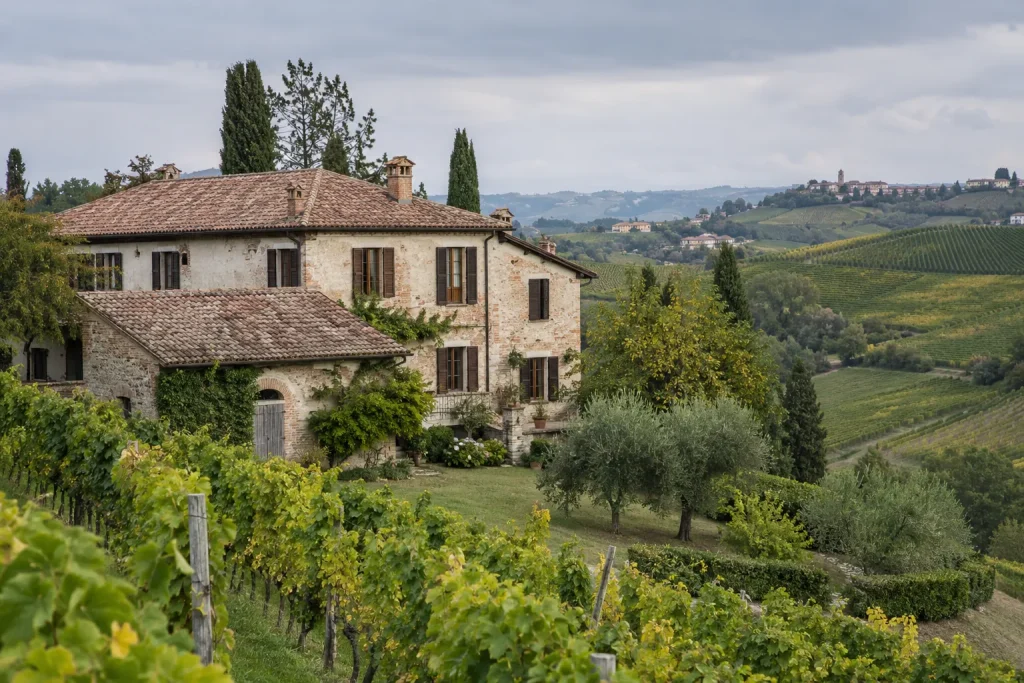
What property photos hide is usually the part of the story that matters most: the sound, smell, moisture, access, and condition that a camera can flatten or crop out. A scout can document these blind spots on site with photos, video, measurements, and notes, so you understand the property as it really is before you travel or commit.
What property photos hide on Italian listings
Italian listing photos are often taken with wide-angle lenses, bright daylight, and careful framing, which makes rooms look larger, cleaner, and closer to the road than they may feel in person. That is not fraud; it is simply how online listings work, especially on portals like Idealista, Immobiliare, and Casa.it.
The problem is that a beautiful kitchen or a sunny terrace can distract you from practical issues that only appear when someone stands there and looks around slowly. A scout does not replace a surveyor or a geometra, but can document the visible reality so you can make a calmer decision.
| What photos show | What a scout documents | Why it matters |
|---|---|---|
| Bright room with wide lens | True room proportions, ceiling height, storage, and layout | Helps you judge usable space |
| Pretty view from one angle | View quality from windows, terrace, and road approach | Shows what you actually live with |
| Clean surfaces | Cracks, stains, damp marks, and repair history visible on site | Reveals maintenance risk |
| Quiet-looking street | Traffic flow, parking pressure, and damp road noise property conditions at the property | Explains day-to-day comfort |
1. Room size and proportions
Photos can make a small room feel generous, especially if the photographer uses a wide lens and shoots from the doorway. A scout can measure the room, count wall lengths, and document whether a bed, sofa, or dining table will fit without blocking circulation.
This is especially useful in older Piedmont homes, where rooms may be long and narrow, ceilings may slope, and furniture from abroad may not fit the Italian layout. A good on-site video walk-through shows how the rooms connect, which is often more important than the square metres in the listing.
2. Light, orientation, and real view
Listing photos usually capture the property at the best time of day, with curtains open and the sun in the right place. They rarely tell you whether the home is dark in winter, overheated in summer, or facing a wall instead of the open countryside.
A scout can photograph the view from each window, note the orientation, and record how much natural light reaches the rooms at different times. That matters in the hills around Gavi and Monferrato, where a south-facing terrace can feel very different from a north-facing stone room.
3. Damp, cracks, and repair details
One of the biggest examples of what property photos hide is moisture. A fresh coat of paint can cover stains, and a carefully cropped image can avoid the lower corners of walls, cellar ceilings, or the base of exterior facades where damp often appears first.
A scout can document peeling plaster, salt marks, mould smell, patched cracks, and the condition of window frames, shutters, and roof edges. These are visible clues, not a diagnosis, but they help you decide whether the property needs light cosmetic work or a deeper technical inspection.
4. Noise, road access, and daily reality
A peaceful exterior photo may hide a road that becomes busy at commuting time, a nearby bar with evening noise, or a bend that makes parking awkward. In rural areas, access can also mean steep lanes, narrow turns, shared driveways, or winter conditions that are not obvious online.
This is where on-site documentation is especially useful. A scout can film the approach from the main road, show where cars can turn, record nearby traffic, and note whether the property feels isolated, convenient, or exposed to damp road noise property issues after rain or during busy hours.
5. Neighbours, privacy, and surroundings
Photos often frame the house tightly enough to hide what is next door, behind the hedge, or just beyond the garden wall. Yet these details can matter as much as the interior, especially if you want a second home, a retirement base, or a quiet place to work remotely.
A scout can document sightlines from the garden, balcony, and windows, as well as nearby buildings, shared walls, fences, and overlooked areas. That gives you a clearer sense of privacy, security, and whether the setting feels open or more enclosed than the listing suggests.
6. Utilities, systems, and practical condition
Photos rarely show the boiler age, electrical panel, radiator placement, water pressure clues, or whether the kitchen and bathroom are genuinely ready to use. Even when the interior looks elegant, the systems may be old, improvised, or in need of updating.
A scout can photograph the visible technical points and note what is present, missing, or visibly outdated. This does not replace a technical report from a geometra or specialist, but it helps you ask better questions before you travel, book an inspection, or compare one house with another.
7. The parts sellers do not photograph
Some of the most important details are simply not in the gallery: the basement, attic, stairwell, storage rooms, common areas, garden boundaries, roofline, and the route from parking to front door. These spaces often determine how the property works in real life.
A scout can document these hidden zones on camera and in notes, so you know whether there is usable storage, safe access, shared maintenance, or a garden that is smaller than it first appears. If you want a structured overview of how this works, see our packages and pricing or read How It Works.
How a scout documents the blind spots
The value of a scout is not in guessing, but in documenting. A proper visit usually includes exterior photos from multiple angles, short video clips, notes on access and surroundings, and clear images of anything that may affect comfort or maintenance.
- Review the online listing and identify the points that need checking on site.
- Visit the property and record the exterior, interior, access, and immediate surroundings.
- Take close-up photos of visible issues such as damp, cracks, worn finishes, or damaged fixtures.
- Capture short videos for sound, light, and spatial context.
- Send you a clear, honest report focused on what can be observed, not on speculation.
This is especially helpful if you are comparing several homes from abroad and do not want to waste a trip on a property that looks better online than it does in person. If you are still at the early stage, our guide Where to Find Your Property can also help you understand the local portal rhythm before you begin.
When photos are enough, and when they are not
Sometimes listing photos are enough to rule a property in or out at a very early stage, especially if the price, location, and layout already fit your needs. But once you are seriously interested, photos alone are rarely enough to judge comfort, access, or hidden work.
That is particularly true for homes in older villages, hillside locations, and rural settings around Gavi, Alessandria, and the wine hills, where the character is real but so are the practical trade-offs. If you are wondering whether you can buy a house in Italy without visiting it, the short answer is yes — the viewing can be remote, though the final purchase is still signed in person before a notary or by a representative you appoint — but you still need reliable on-the-ground information first.
FAQ
Can property photos be trusted in Italy?
Property photos can be useful, but they should be treated as a first impression, not a full assessment. They often show the best angle, best light, and cleanest corner, while leaving out noise, access, damp, storage, and the condition of nearby spaces.
What can a scout document that photos usually miss?
A scout can document room proportions, window views, road access, surrounding buildings, visible damp, cracks, utilities, and the parts of the property that are not included in the listing gallery. That gives you a more realistic picture of how the home feels and functions.
Is a scout the same as an estate agent?
No. An estate agent works in the transaction and may represent a seller or buyer within the legal framework of the sale, while Piedmont Scout is an independent area scout that documents and observes. We do not search, select, negotiate, or mediate; we provide on-site eyes and honest orientation.
Do I still need a geometra or survey after a scout visit?
Yes, if you are progressing toward a purchase, a geometra or other qualified professional may still be needed for technical checks, paperwork, or compliance questions. A scout visit helps you understand what is visible on the ground before you decide whether to move to that next stage.