Blog · June 16, 2026
How to View a Property in Italy From Abroad: A Practical Guide
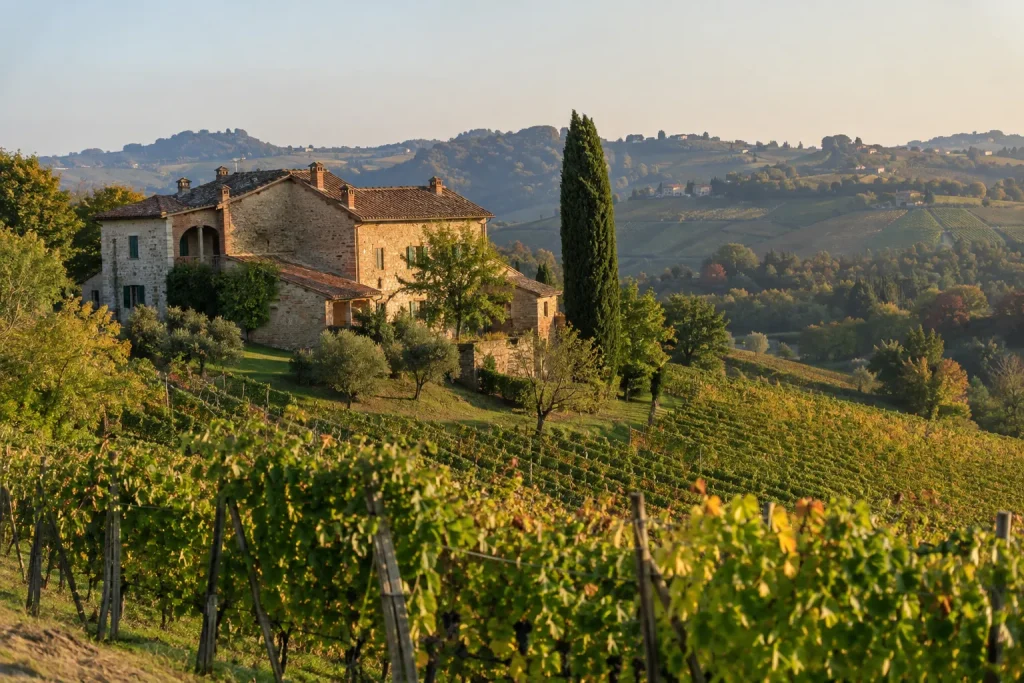
If you want to view a property in Italy from abroad, the best approach is to combine a live video tour, a careful document review, and a local on-the-ground check before you decide anything. A good remote property viewing Italy process helps you understand layout, surroundings, access, light, noise, and visible condition, but it should never replace your own due diligence.
| Viewing method | What it shows | Main limits | Best use |
|---|---|---|---|
| Photos on portals | First impression, style, rooms, exterior | Wide-angle distortion, selective framing, missing context | Initial screening |
| Video viewing Italian property | Flow, room size, finishes, some defects | Depends on camera skill and internet quality | Shortlisting a property you already like |
| Live video call | Real-time questions, immediate close-ups, exterior walkaround | Still limited by what the person on site chooses to show | Checking key concerns before a trip |
| Local scout visit | Street context, access, light, nearby activity, practical issues | Not a legal or technical inspection | Independent reality check before next steps |
- Start with the portal listing and save the exact URL, photos, floor plans, and asking price.
- Ask for a live or recorded video viewing Italian property session that follows a room-by-room script.
- Request exterior shots, street approach, parking, stairs, boundaries, and views from windows.
- Check the documents separately: cadastral data, energy certificate, title chain, and any renovation paperwork.
- Use a local person to verify the setting, access, noise, and whether the property matches the online impression.
- Only then decide whether to book an in-person visit, a technical inspection, or both.
Why you should view a property in Italy from abroad with a method
When you view a property in Italy from abroad, the risk is not only distance. The bigger problem is that Italian listings often present a property in its best light, while the details that matter for daily life are easy to miss: steep access roads, shared entrances, damp corners, low ceilings, or a beautiful view that disappears in winter.
A structured process protects you from emotional decisions based on photos alone. It also helps you compare homes in a fair way, especially if you are looking at old stone houses, apartments in historic centres, or countryside homes around Gavi, Monferrato, or the hills of Alessandria. The goal is not to “sell” you on a property; it is to understand what you are actually looking at.
What remote property viewing Italy can and cannot tell you
Remote property viewing Italy is useful when you want to narrow down options before spending time and money on travel. A good video call can show room proportions, ceiling height, natural light, the quality of windows, and whether the house feels cared for. It can also expose obvious problems such as stained ceilings, cracked plaster, tired kitchens, or awkward layouts.
But remote viewing has clear limits. It cannot reliably tell you about structural issues hidden behind walls, the exact state of the roof, the legality of internal changes, or whether the property is affected by easements, boundary questions, or planning issues. It also cannot fully convey the sound of traffic, church bells, neighbours, agricultural work, or the smell of damp after rain.
What a good video call should include
A useful video viewing Italian property session should be slow and practical. The person on site should move through the house room by room, open windows and cupboards, show ceilings and floors, step outside, and walk the access route from the street or driveway. If the internet is weak, ask for a recorded walkthrough as backup, but keep in mind that a recording is less flexible than a live call.
How to prepare before the viewing
Preparation matters more than most buyers expect. Before you ask anyone to view a property in Italy from abroad on your behalf, write down the questions that matter to you personally: do you need parking, ground-floor access, a garden, good mobile coverage, space for remote work, or a short drive to a train station? A property can look perfect online and still fail on one of these basic points.
It also helps to gather the listing materials in one place. Save the portal link, screenshots, floor plan, energy label, and any agent notes. If the property is in a village or rural area, note the nearest grocery shop, pharmacy, railway station, and the route from the main road, because the difference between 10 minutes and 25 minutes on local roads can matter a lot in daily life.
- List your non-negotiables before the call.
- Mark the rooms and features you want shown first.
- Ask for daylight and evening shots if lighting is important.
- Request the exact address or at least the micro-location if permitted.
- Separate “nice to have” features from deal-breakers.
What to ask during a video viewing Italian property session
The best questions are practical, not generic. Ask how the property is heated, whether the windows are single or double glazed, if there is evidence of damp, how the roof was last maintained, and whether the access is shared or private. If there is a garden or terrace, ask how much sun it gets in winter and whether it is overlooked.
For apartments, ask about the condominium expenses, the condition of the common parts, the lift, and any planned works. For rural homes, ask about water supply, septic systems, access in heavy rain, and whether the property is isolated in a way that could become inconvenient. A careful video viewing Italian property session should leave you with fewer assumptions, not more.
Questions that reveal real-life use
Ask where you would park, where bins are kept, how deliveries arrive, and whether there is mobile and internet coverage inside the house. These details are not glamorous, but they affect everyday life. They are also the kind of things that photos almost never show.
Why an on-the-ground check still matters
Even when a listing looks promising online, a local check can reveal what the camera missed. A property may face a busy road, sit below a noisy bar, or be next to a house that is empty most of the year but active in summer. In older Italian towns, the street below a lovely balcony can be narrow, steep, and difficult for luggage, groceries, or guests.
This is where an independent area scout is useful. The role is not to represent you or negotiate for you. It is to observe, document, and explain the setting honestly so you can judge whether the online impression matches reality. If you want to understand our approach, see How It Works and Who We Are.
Documents you should review separately from the viewing
A beautiful viewing is not the same as a safe purchase. In Italy, the legal and technical side matters just as much as the visual impression. Ask for the cadastral details, the energy certificate, and any available renovation records, and make sure the property description matches the paperwork. If the home has been altered, you want to know whether those changes were regularised.
For foreign buyers, this is especially important because you may not spot inconsistencies from abroad. A room shown as a bedroom online might not be registered that way. A terrace may have been enclosed, or a cellar may be described in a way that does not match the documents. If you are still at the research stage, the related post “Can You Buy a House in Italy Without Visiting It?” is a useful companion read.
| Item to check | Why it matters | Who usually handles it |
|---|---|---|
| Cadastral data | Confirms how the property is registered | Geometra or technical professional |
| Energy certificate | Shows the energy class and basic performance | Seller provides it |
| Title and ownership chain | Helps confirm who can sell | Notary reviews it later |
| Renovation paperwork | Shows whether works were authorised | Seller and technical professional |
Common mistakes when buying from abroad
The most common mistake is trusting the listing too quickly. Professional photos can hide poor proportions, dark rooms, or awkward access. Another mistake is treating a video call like a full inspection, when in fact it is only one layer of information.
Buyers also sometimes focus on the house and ignore the setting. In Italy, the village, the road, the slope, the parking, and the everyday distance to services can shape your experience more than the kitchen finish. A property can be charming and still be inconvenient if the practical context does not suit your life.
- Do not assume a wide-angle photo reflects the true room size.
- Do not rely on one short call if the property is important to you.
- Do not skip document review because the house “feels right.”
- Do not confuse an agent’s presentation with independent observation.
How Piedmont Scout fits into the process
Piedmont Scout works as your eyes on the ground in Gavi and the surrounding area. We do not search for properties, we do not select them, and we do not negotiate. You find the property yourself on Idealista, Immobiliare, or Casa.it, then send us the link and we document what is visible and practical on site.
That can include a live video walkaround, street context, access, light, noise, views, and clear photos or notes from the visit. If you want to understand the service structure, see Scout Packages & Pricing and Where to Find Your Property. The point is to help you make a grounded decision, especially when you are trying to view a property in Italy from abroad without wasting trips.
FAQ: viewing Italian property from another country
Can I rely on a video viewing instead of visiting in person?
You can rely on a video viewing only as one part of your decision. It helps you understand layout, light, and visible condition, but it cannot replace legal checks, technical review, or a real understanding of the neighbourhood and access.
What should I ask the person showing the property?
Ask about heating, windows, damp, access, parking, internet, noise, shared costs, and any recent works. These practical questions tell you far more about daily life than a general description of the home.
Is a remote property viewing enough for an older house in Italy?
For an older house, a remote viewing is rarely enough on its own. Stone homes, rural houses, and historic properties often need closer scrutiny because hidden maintenance issues and paperwork gaps are more common.
What is the safest way to proceed if I cannot travel?
The safest approach is to combine a live or recorded viewing, a document review, and an independent on-the-ground check. That way you reduce the risk of missing something important before you commit to the next step.